
How Damaged Surfaces Affect Where Water Flows and How to Fix It
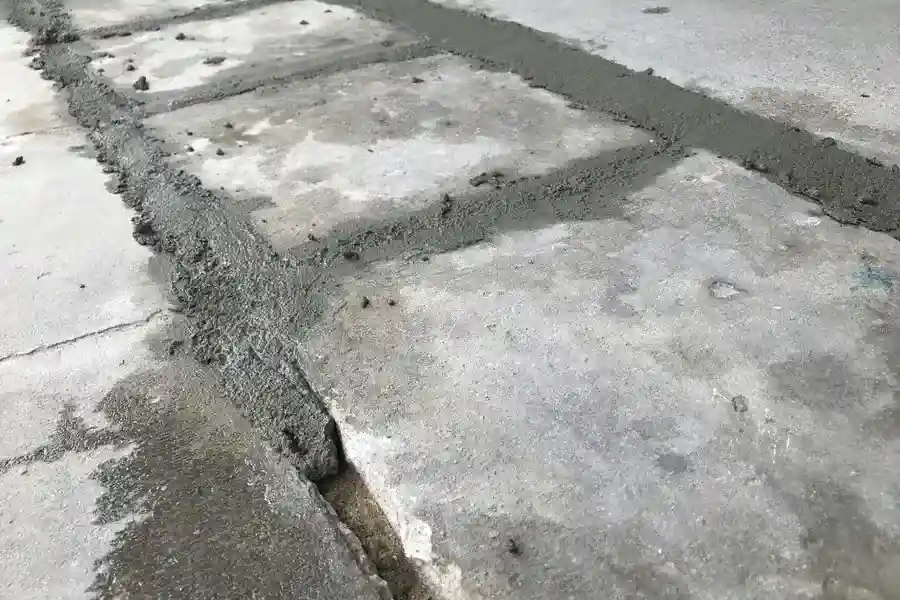
Concrete repair plays a major role in proper water drainage because cracked, sunken, or uneven concrete changes how water moves around your home. When concrete shifts, water can pool near foundations, run toward buildings, or flood low spots in your yard. Fixing damaged areas helps guide water away from your property and into the right drainage paths. In places like driveways, patios, sidewalks, and parking pads, even small surface problems can lead to bigger water issues over time.
What You Need Before Starting
Before working on any drainage-related surface problem, you need to look at the full area. Water never moves in just one small spot. It follows slopes and finds the lowest path.
Here is what helps before starting:
- A clear view of cracks, low spots, and gaps
- A garden hose to test how water flows
- A level to check slope direction
- Basic hand tools for small surface repairs
- Safety gear like gloves and eye protection
It also helps to know where your downspouts drain and how your yard slopes. Sometimes the issue is not just the concrete surface. It may connect to grading or other drainage features.
Step-by-Step: How Concrete Affects Drainage
Concrete works like a guide for water. When it is installed correctly, it gently slopes away from buildings. When it shifts, water stops following the right path.
- Check the slope. Water should move away from structures, not toward them.
- Look for cracks. Even thin cracks let water soak below the surface.
- Find low spots. Standing water shows where the surface has sunk.
- Test with a hose. Run water and watch where it flows.
- Mark problem areas before starting repairs.
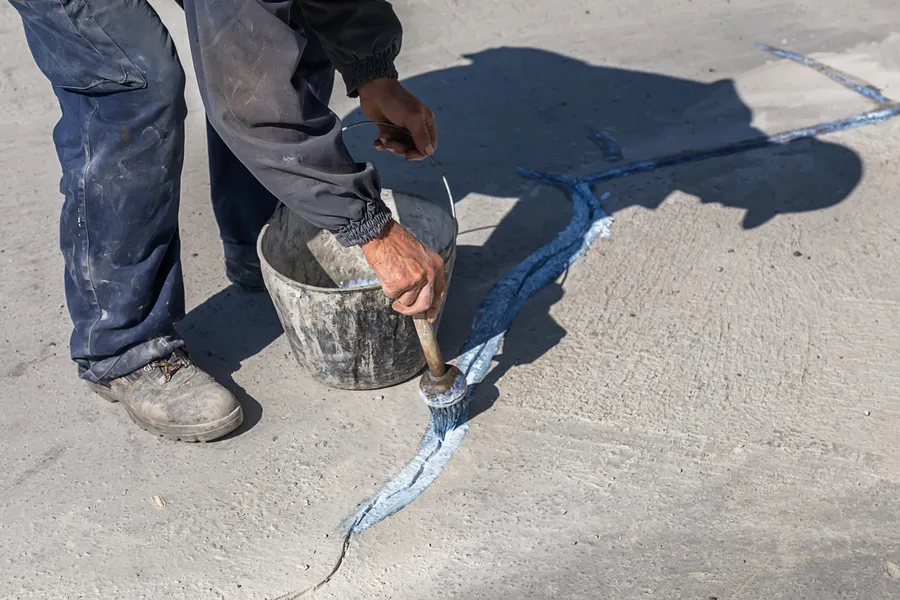
Concrete repair may include sealing cracks, leveling sunken slabs, or replacing broken sections. Leveling is often done by lifting the slab back into place. Sealing keeps water from slipping below and washing away soil. When soil shifts, slabs sink more, which creates worse drainage problems.
Common Drainage Mistakes to Avoid
Many homeowners fix the surface without fixing the cause. That leads to repeat damage.
- Sealing cracks without fixing slope problems
- Ignoring soil erosion under the slab
- Patching only the top layer
- Letting downspouts drain onto flat concrete
- Using the wrong repair materials
Another common mistake is thinking small puddles are harmless. Over time, pooling water weakens concrete. It can also leak into basements or crawl spaces. Early concrete repair prevents deeper structural damage later.
How Water Damages Concrete Over Time
Water may seem soft, but it slowly wears down hard surfaces. When water seeps into cracks and freezes, it expands. That makes cracks wider. In warm weather, flowing water can wash soil out from under slabs. When that support disappears, concrete begins to sink.
This is why drainage and concrete repair go hand in hand. Without proper drainage, repairs will not last. And without solid concrete surfaces, drainage systems will not work as planned.
When to Call a Professional
Some small cracks are simple to seal. But larger drainage problems often need expert help. You may need professional support if:
- Water pools near your foundation
- Large sections of concrete have sunk
- Cracks keep coming back
- You notice soil washing out after storms
- Your basement smells damp or musty
A trained team can check both the concrete and the drainage design. They can see if the slope meets proper standards. They also look at nearby grading, gutters, and runoff paths. In some cases, repairs may involve lifting slabs, replacing sections, or improving surrounding drainage systems.
Why Early Repair Saves Money
Small issues grow fast when water is involved. A thin crack today can become a trip hazard next year. A low spot in a driveway can turn into foundation trouble if water keeps flowing toward the house.
Timely concrete repair helps:
- Protect your foundation
- Reduce slip hazards
- Prevent soil erosion
- Extend the life of walkways and driveways
- Lower the risk of costly structural damage
Fixing drainage-related problems early often costs less than replacing full sections later. It also protects nearby landscaping and prevents indoor water damage.
Get Help With Drainage and Surface Repairs
If you are seeing pooling water or cracked surfaces in Thornton, CO, it may be time to act before the damage spreads. At Munoz Masonry LLC, we inspect slopes, cracks, and drainage paths to find the real problem. We handle concrete repair that helps guide water away from your home the right way. Call us at (720) 288-3002 to schedule an evaluation and protect your property from ongoing water damage.