
Proven Repair Methods That Help Brick and Stone Last Longer
Masonry restoration improves durability by repairing weak mortar, replacing damaged units, sealing joints, and stopping water from getting inside the structure. When done the right way, these steps strengthen brick, stone, and concrete surfaces so they can handle weather, moisture, and daily wear. The goal is simple: fix small problems early and protect the structure so it lasts for decades.
What You Need Before Starting
Before starting any masonry restoration project, inspect the surface closely. Look at the mortar joints, bricks, and any cracks. Use a ladder safely and check high areas too. Take clear photos so you can compare changes later.
You will also need basic tools:
- Chisel and hammer
- Angle grinder for removing old mortar
- Pointing trowel
- Stiff brush
- Mortar mix that matches the original type
- Protective gloves and eye protection
Matching the right mortar is very important. Using mortar that is too hard can damage older brick. Older homes often need softer lime-based mortar instead of modern high-strength mixes.
Step-by-Step Techniques That Improve Durability
Strong and lasting results come from following the right order. Skipping steps can lead to early failure.
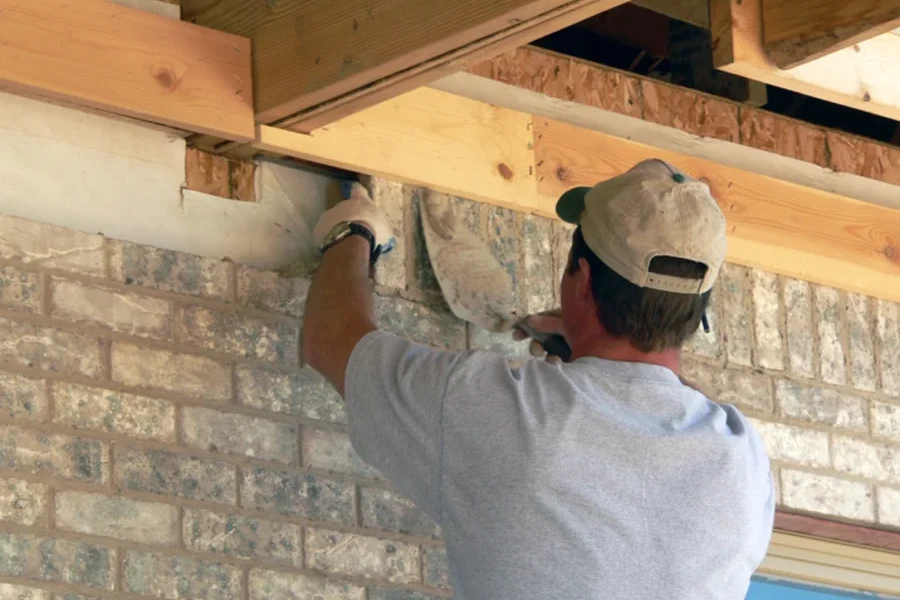
- Remove damaged mortar. Carefully grind or chisel out loose and cracked mortar to the proper depth, usually about three quarters of an inch.
- Clean the joints. Brush out dust and debris so new mortar sticks properly.
- Dampen the area. Lightly wet the brick before applying new mortar. Dry brick can pull moisture from the mix too fast.
- Apply fresh mortar. Press it firmly into the joint in layers. Compact it tightly to avoid air pockets.
- Tool the joints. Shape the joint to match the original profile. This helps shed water.
- Replace damaged bricks or stones. If units are cracked or crumbling, remove and install new ones that match in size and texture.
- Seal control joints and flashing areas. Use proper sealant to block water entry where different materials meet.
These masonry restoration steps strengthen the wall and help prevent water penetration, which is often the main cause of damage.
Common Mistakes to Avoid
Even small errors can shorten the life of the repair. Watch out for these common problems:
- Using the wrong mortar type
- Not removing enough old mortar
- Applying mortar to dry, dusty joints
- Sealing brick surfaces with non-breathable coatings
- Ignoring small cracks until they spread
One major mistake is using waterproof paint or heavy sealers that trap moisture. Brick needs to breathe. If water gets trapped inside, it can freeze and expand in cold weather. That leads to cracks and surface damage.
Another issue is poor drainage. If gutters leak or downspouts drain near the foundation, even perfect repairs will not last. Fixing water flow around the home is part of durable restoration.
When to Call a Professional
Some projects are safe for skilled homeowners. Small mortar joint repairs on low walls can often be handled with care and proper tools. But large-scale masonry restoration requires training and experience.
You should contact a professional if you notice:
- Large stair-step cracks
- Bowing or leaning walls
- Chimney separation from the house
- Extensive brick spalling
- Water leaking through interior walls
Structural movement and foundation problems need expert evaluation. A trained crew can also color-match mortar and brick for a seamless repair. This keeps the building strong and maintains its appearance.
Professional restoration may also involve waterproofing systems, lintel replacement, wall anchors, or rebuilding sections of masonry. These repairs improve strength and extend the life of the structure.
Final Recommendation and Next Steps
Durability comes from proper repair methods and regular inspection. Small cracks and worn joints may not look serious, but they allow water inside. Once moisture enters, damage spreads fast. Address issues early, use the right materials, and follow proven masonry restoration techniques to protect your investment for years.
Get Reliable Help for Long-Lasting Results
If you are seeing cracks, loose mortar, or water damage in Thornton, CO, it may be time for expert masonry restoration. At Munoz Masonry LLC, we repair, rebuild, and protect brick and stone so they stay strong in every season. Our team uses proven methods and quality materials to improve durability and prevent future problems. Call us today at (720) 288-3002 to schedule an inspection and learn how we can help protect your property.