

Simple Ways to Protect and Extend the Life of Your Brickwork
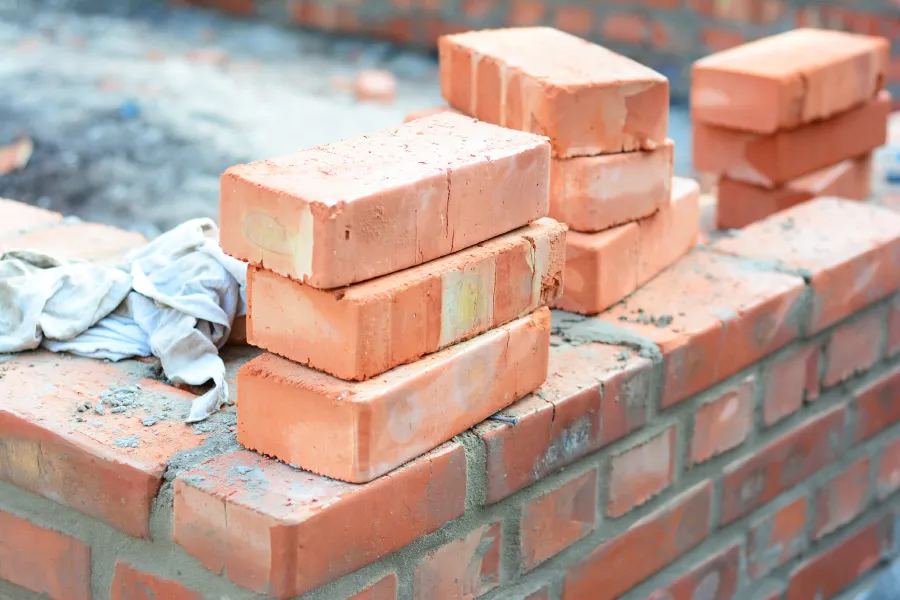
Brick structures can last for decades, but only if they are cared for the right way. Routine cleaning, mortar joint checks, moisture control, and small repairs completed early will help prevent costly damage later. Whether your property features a brick wall, chimney, patio, or full exterior built through professional brick laying, regular maintenance keeps the structure strong, safe, and looking clean.
Why Prevention Matters
Brick is durable, but it is not maintenance-free. Water, temperature changes, and ground movement can slowly break it down. Small cracks or loose mortar may not seem like a big deal at first. Over time, they can lead to leaning walls, interior leaks, or full structural failure.
Preventive care protects your investment. It also helps you avoid emergency repairs that cost more and take longer to fix. When brick laying is done properly, the structure has a strong base. Maintenance keeps it that way.
Early Warning Signs to Watch For
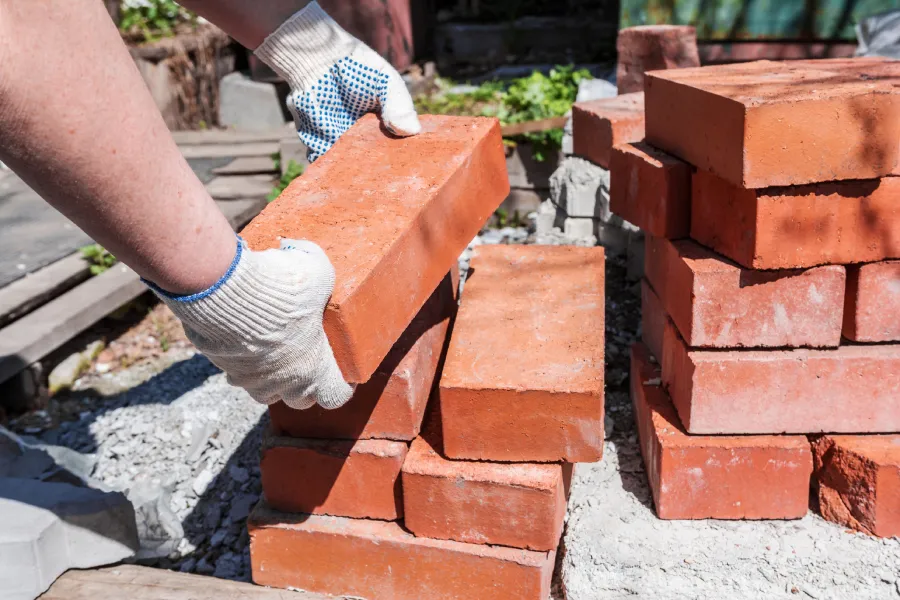
Spotting problems early makes repairs easier. Walk around your property a few times per year and look closely at all masonry surfaces.
- Cracked or chipped bricks
- Mortar joints that look crumbly or recessed
- White powder residue called efflorescence
- Bulging or leaning walls
- Water stains on interior walls near brick surfaces
Efflorescence is a common sign of moisture problems. It happens when water moves through brick and leaves salt deposits behind. While it may look harmless, it signals water entry that should be addressed.
Seasonal and Routine Maintenance Checklist
A simple maintenance routine each season helps protect your brick structures year-round.
- Spring: Inspect for cracks caused by freezing and thawing. Check mortar joints and look for loose bricks.
- Summer: Clean brick surfaces with mild soap and a soft brush. Avoid pressure washers that can damage mortar.
- Fall: Clear gutters and downspouts so water drains away from brick walls and foundations.
- Winter: Remove snow buildup near brick walls. Avoid using harsh de-icing salts against masonry surfaces.
Good drainage is one of the most important parts of brick care. Water should always flow away from the structure. Soil grading and proper downspout placement help protect both brick and mortar.
Best Practices for Long-Term Results
Strong brickwork depends on both the bricks and the mortar holding them together. Mortar joints usually wear out first. Repointing, which means replacing damaged mortar, can add many more years to a wall’s life.
Use breathable sealants when recommended by a professional. Brick needs to release trapped moisture. A coating that locks in water can cause more damage.
Keep plants and vines trimmed away from brick surfaces. Ivy may look attractive, but it can trap moisture and weaken mortar joints. Tree roots near foundations should also be monitored, as shifting soil can affect structural stability.
If your building was constructed with professional brick laying techniques, routine inspections will help preserve the original craftsmanship. High-quality masonry contractor work still needs periodic care to remain in top condition.
What Not to Do
Many brick problems start with good intentions but poor methods. Avoid these common mistakes:
- Using high-pressure washing equipment
- Applying waterproof paint that traps moisture
- Ignoring small cracks for years
- Patching mortar with the wrong mix
Mortar must match the strength and flexibility of the original material. If it is too hard or too soft, it can cause bricks to crack. Quick patch jobs without proper surface preparation often fail within a short time.
When to Schedule Professional Help
Some issues require more than routine maintenance. If you see large stair-step cracks, leaning walls, or repeated water intrusion, call a masonry contractor. Structural movement and foundation settlement are not DIY projects.
Repointing large sections, rebuilding a chimney, or replacing damaged structural brick should be handled by trained crews. Expert brick laying repairs blend new materials with old ones so the finished work looks consistent and secure.
An inspection every few years gives you peace of mind. A trained eye can spot subtle warning signs that most property owners miss.
Protect Your Brick Investment
If you want reliable maintenance or repairs in Thornton, CO, our team is ready to help. At Munoz Masonry LLC, we handle inspections, repointing, and full brick restorations for homes and commercial properties. We focus on long-lasting results and clear communication from start to finish. Call us at (720) 288-3002 to schedule a service visit or discuss any concerns about your brick structure.