

Fixing Small Concrete Problems Stops Bigger Building Failures
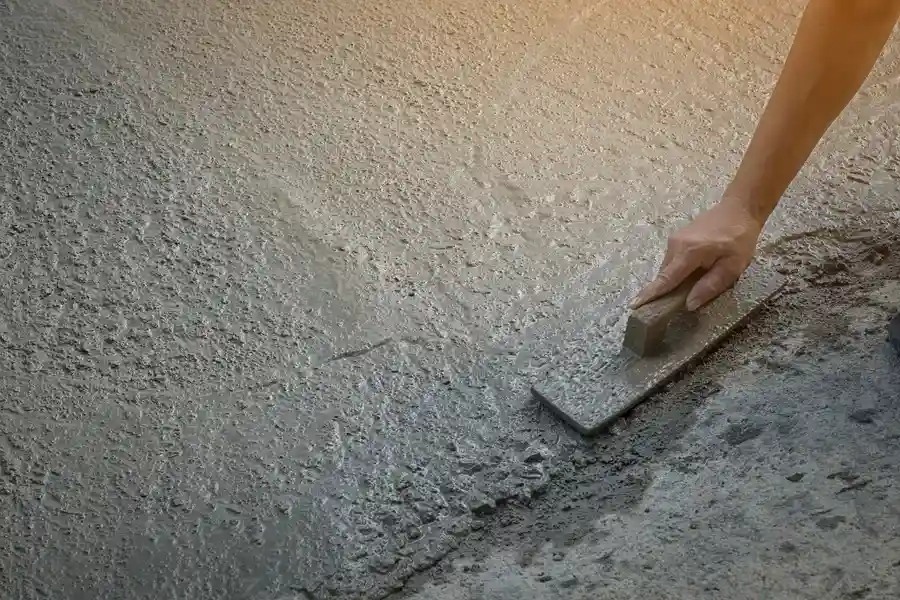
Concrete repair prevents structural damage by fixing cracks, gaps, and weak spots before they spread. When concrete breaks down, water gets inside. That water weakens the base, rusts steel supports, and causes shifting. Over time, small surface damage can lead to major foundation problems. Fast repairs keep your home or building stable and safe.
Why Prevention Matters
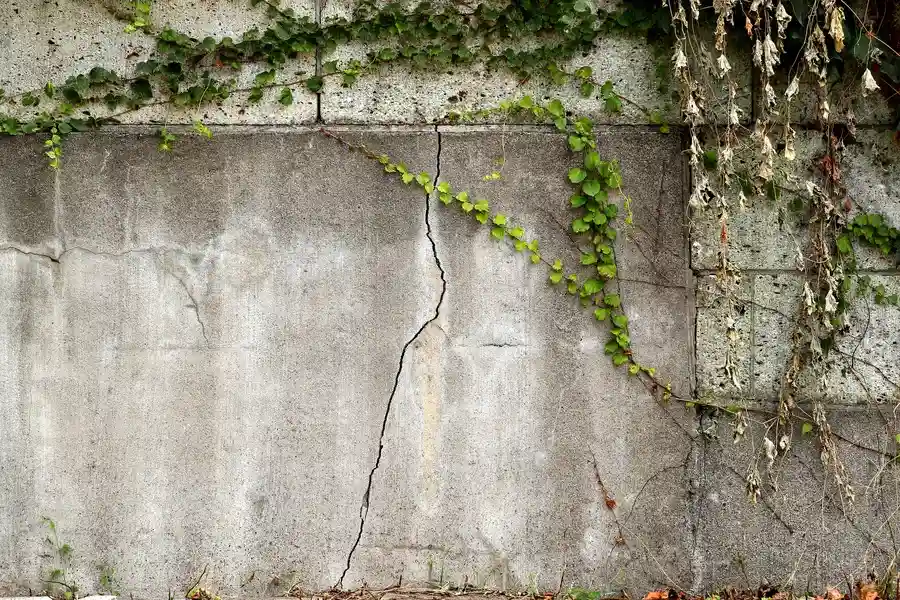
Concrete is strong, but it is not indestructible. Weather, heavy loads, and soil movement all take a toll. A small crack in a driveway or foundation may not look serious. But that crack lets in water. When water freezes, it expands. That expansion makes the crack wider.
If this cycle repeats, the slab can sink or tilt. In foundations, this movement can cause wall cracks, uneven floors, and doors that will not close right. Concrete repair stops this chain reaction early.
Property owners who invest in early repairs often avoid major structural work later. Fixing a crack now costs far less than rebuilding part of a foundation in the future.
Early Warning Signs
Spotting problems early helps prevent deeper damage. Watch for these signs around your home or building:
- Thin cracks in slabs or walls
- Chips or flaking on the surface
- Uneven or sinking sections
- Water pooling near the foundation
- Gaps between concrete and walls
- Rust stains on concrete surfaces
These signs may seem minor. But they often point to base erosion or internal stress. In many cases, quick concrete repair can seal cracks, patch damaged areas, and restore strength before the problem spreads.
Seasonal Maintenance Checklist
Concrete goes through a lot during the year. Heat makes it expand. Cold makes it shrink. Rain adds moisture. A simple routine helps prevent long-term structural damage.
- Inspect surfaces each spring and fall for new cracks.
- Clean out debris from joints and gaps.
- Seal small cracks before winter weather arrives.
- Check drainage around foundations and slabs.
- Make sure downspouts move water away from concrete.
- Schedule professional inspection if cracks grow wider.
This checklist works for driveways, sidewalks, patios, and foundations. It also applies to projects in the “ category, where surface strength supports larger structural systems.
Best Practices for Long-Term Results
Not all repairs are equal. Good preparation and proper materials matter.
First, the damaged area must be cleaned fully. Dirt and loose particles weaken bonding. Next, the right filler or patching mix should match the type of concrete. Using the wrong product may lead to early failure.
Joint sealing is another smart step. Expansion joints allow movement without cracking. Keeping them sealed helps block water from reaching the base layer.
Proper drainage is also key. Soil that stays wet expands and shifts. This movement puts pressure on slabs and foundations. Extending gutters and grading soil away from the structure lowers that risk.
When repairs are made the right way, they restore surface strength and help protect the internal steel reinforcement. That steel frame gives concrete much of its strength. When rust forms, it expands and forces the concrete apart from the inside. Sealing out moisture helps prevent that hidden damage.
What Not to Do
Some property owners try to ignore small cracks. Others cover them with paint or a thin layer of cement. These quick fixes often trap moisture instead of blocking it.
Avoid these common mistakes:
- Filling structural cracks without checking the cause
- Using indoor patch materials outside
- Power washing cracks without resealing them
- Adding heavy loads to already sinking slabs
These actions may hide the issue for a short time. They do not stop deeper structural movement. Lasting concrete repair requires proper assessment and the right method for the type of damage.
When to Schedule Professional Help
Hairline cracks are often simple to fix. But wider cracks, repeated cracking, or sinking concrete may signal foundation movement. If floors feel uneven or walls show stair-step cracks, the problem could involve structural support.
Professionals use tools to measure slab movement and soil conditions. They can inject stabilizing material under slabs, reinforce foundations, or apply advanced sealing systems. Acting early helps avoid major reconstruction.
If you notice spreading cracks, water intrusion, or shifting concrete, it may be time for expert evaluation. Fast action protects both safety and property value.
Protect Your Property Before Damage Spreads
If you are seeing cracks or uneven concrete around your property in Thornton, CO, repairs now can prevent expensive structural problems later. Our team at Munoz Masonry LLC handles long-lasting concrete repair solutions that protect foundations, slabs, and load-bearing surfaces. Call (720) 288-3002 today and let us help keep your structure strong and secure for years to come.