

Why Masonry Makes Walls Stronger and Longer Lasting
Brick Work adds structural strength to homes by creating thick, solid walls that can carry heavy loads and resist wind, fire, and moisture. Bricks are hard, dense, and built to last. When they are laid in a tight pattern with mortar, they form a strong shell around the house. This shell helps hold up floors and roofs while also protecting the inside from weather and damage.
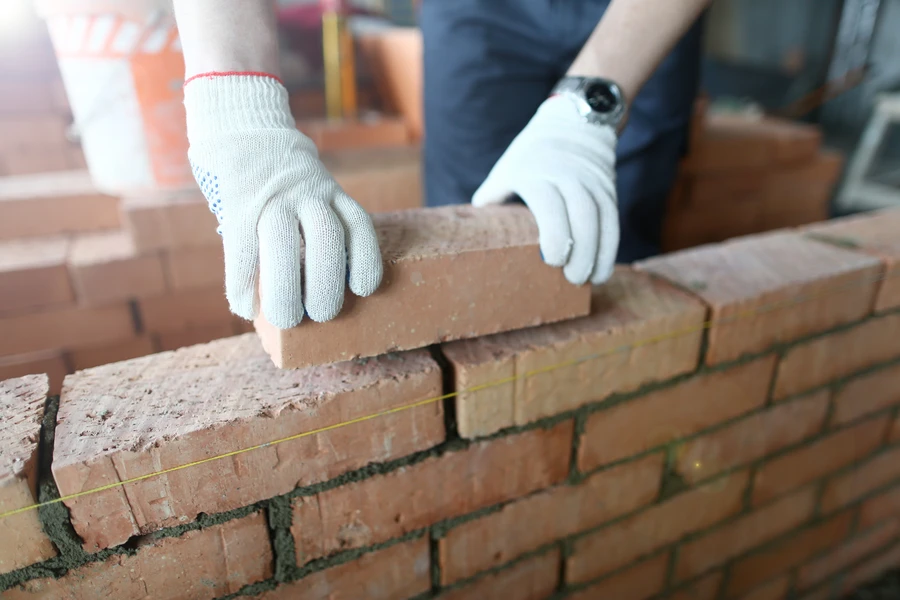
What You Need Before Starting
Before starting any brick work project, you need a clear plan. Structural strength depends on design, not just materials. A few key things must be in place first.
- A solid foundation that can handle the weight of masonry
- High-quality bricks with no cracks
- Strong mortar mixed at the right ratio
- Wall ties or reinforcement if required by code
- Proper drainage details like weep holes
Bricks are heavy. A weak foundation can settle or crack under the load. Good planning prevents costly repairs later.
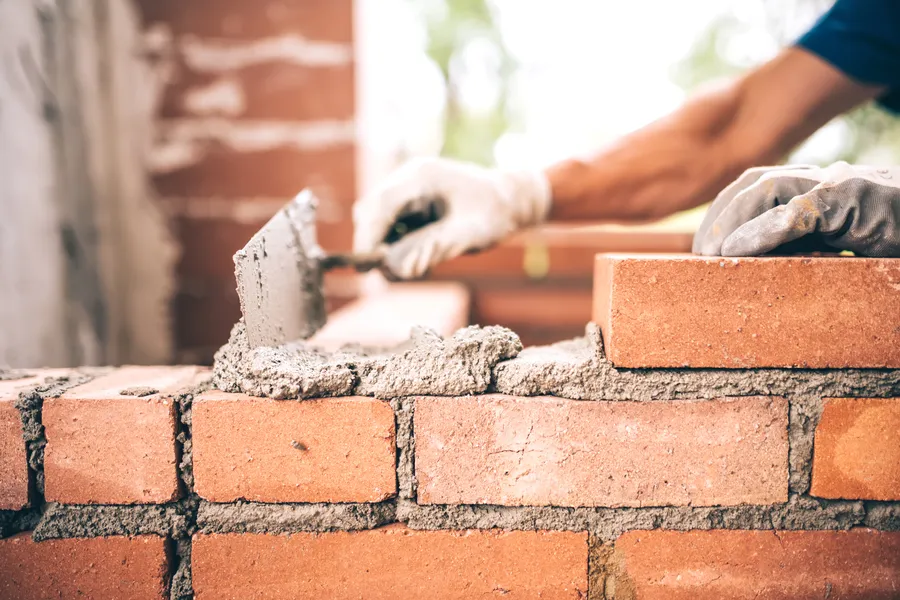
Step-by-Step: How Brick Work Strengthens a Home
Each step in the process plays a role in the final strength of the wall. Missing one step can reduce stability.
- Prepare the foundation. The base must be level and cured. This keeps walls straight and balanced.
- Lay the first course carefully. The first row of bricks sets the line for the rest of the wall.
- Apply mortar evenly. Mortar bonds the bricks together and spreads weight across the surface.
- Stagger the joints. Bricks are placed in overlapping patterns. This locks them together.
- Add reinforcement if needed. Steel ties or rebar increase resistance to wind and movement.
- Tool and seal the joints. Tight joints keep water out and prevent early wear.
When done right, brick work creates a load-bearing structure. The weight from the roof travels down through the brick walls and into the foundation. This steady transfer of weight keeps the home stable.
Common Mistakes to Avoid
Even small errors can weaken a brick wall. These mistakes happen more often than many people think.
- Using the wrong mortar mix
- Skipping wall ties in brick veneer systems
- Laying bricks too quickly without checking level
- Sealing walls without proper drainage
- Building on an uneven base
For example, mortar that is too weak can crumble over time. Mortar that is too strong can cause bricks to crack. Balance is key. Another common issue is poor drainage. Water trapped behind bricks can lead to shifting or damage during freeze and thaw cycles.
How Brick Walls Resist Outside Forces
One reason brick work adds structural strength is its ability to resist outside pressure. Strong winds push against walls. Heavy rain hits the surface. In some areas, fires pose a real risk. Brick stands up well in these situations.
Bricks are non-combustible. They do not burn. This helps slow the spread of fire. The density of masonry also blocks noise and reduces vibration from outside sources.
In storm-prone areas, reinforced brick walls perform better than many lighter materials. The weight of the masonry helps anchor the building to the ground. This lowers the chance of uplift during high winds.
Load-Bearing Vs. Brick Veneer
Not all brick work supports weight in the same way. There are two main types used in homes.
- Load-bearing brick: The bricks support the structure above them.
- Brick veneer: The bricks act as an outer layer attached to a wood or steel frame.
Load-bearing masonry adds direct structural strength. Brick veneer adds protection and some stability, but the frame carries most of the weight. Both options improve durability when installed correctly.
When to Call a Professional
Small repairs like replacing a cracked brick can be simple. Large structural projects are different. If you notice stair-step cracks, leaning walls, or gaps between bricks and windows, it is time to call a professional.
Major structural brick work must meet local building codes. It often requires permits and inspections. A trained crew knows how to handle wall ties, expansion joints, and reinforcement correctly. This keeps the home safe for years to come.
Is Brick Work a Good Long-Term Investment?
Yes, brick work is known for its long life and strength. Brick homes can stand for decades with little maintenance. The material does not rot, attract pests, or warp like some other options.
Upfront costs may be higher than lightweight siding. However, the added structural strength, fire resistance, and lifespan often balance that cost over time. Many homeowners also like the classic look of brick.
Get Expert Help for Stronger, Safer Walls
If you want to add lasting strength to your home in Thornton, CO, professional brick work makes a real difference. At Munoz Masonry LLC, we focus on building solid walls that protect families and increase property value. We handle repairs, reinforcements, and new installations with careful planning and skilled workmanship. Call us at (720) 288-3002 to talk about your project and learn how we can help make your home stronger for years to come.