

The Essential Equipment and Supplies Behind Strong, Long-Lasting Brickwork
Professional brick laying uses a mix of strong materials and specialized tools to build walls, patios, chimneys, and foundations that last for years. The main materials include bricks, mortar, sand, and water. The main tools include trowels, levels, jointers, and brick saws. Each item plays a clear role in making sure the finished structure is straight, stable, and able to handle weather and weight.
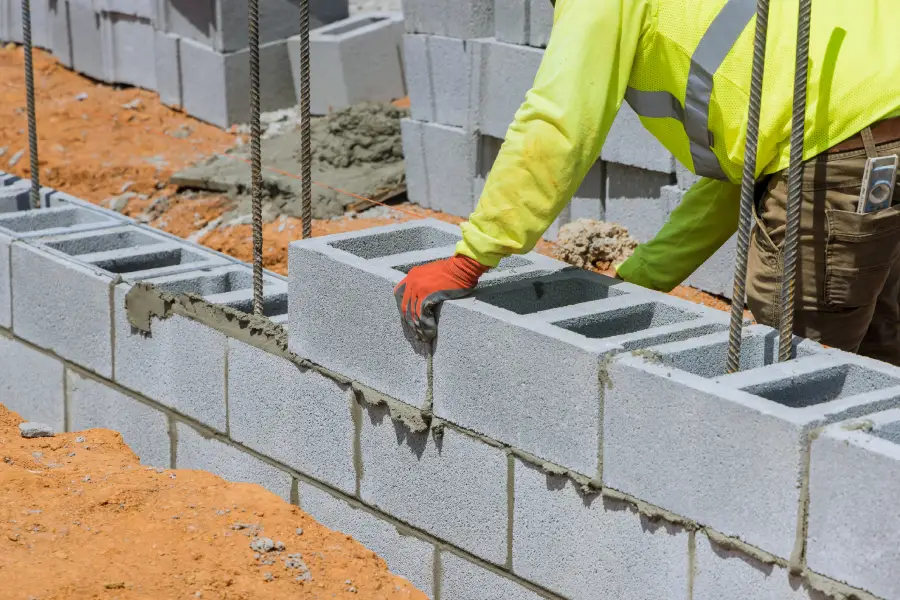
The Core Materials Used in Brick Laying
The most obvious material in brick laying is the brick itself. Bricks come in many types. Clay bricks are common for homes and buildings. Concrete bricks are often used for strength and uniform shape. Some projects use specialty bricks for fireplaces or decorative walls.
Mortar is just as important as the brick. Mortar is a mix of cement, lime, sand, and water. It acts like glue that holds the bricks together. The right mortar mix depends on the project. A load-bearing wall needs a stronger mix than a small garden wall.
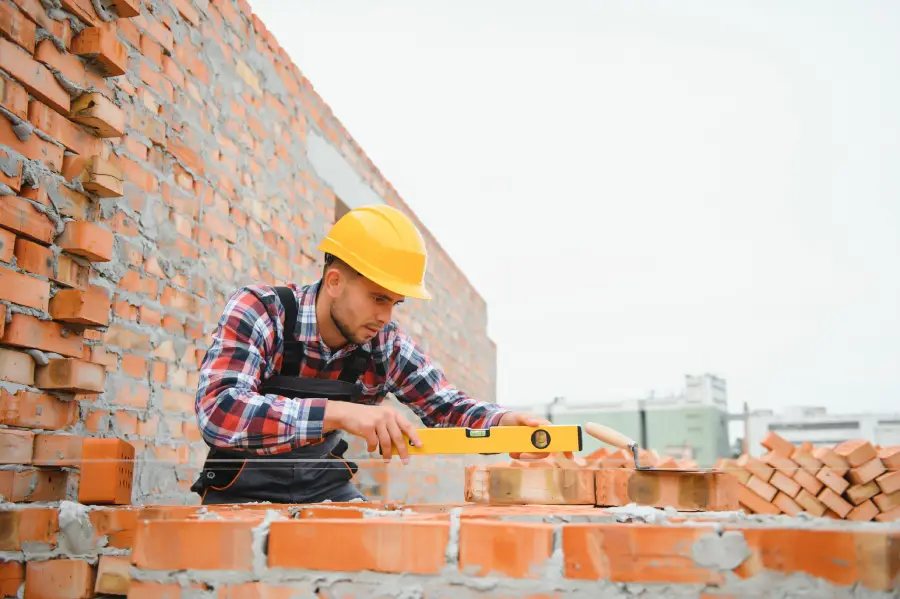
Other key materials include:
- Clean masonry sand for smooth mortar
- Water for proper mixing and curing
- Reinforcement ties for added strength
- Flashing to keep water out of walls
In many cases, brick laying is part of a larger masonry project. That could include block work, stone veneers, or concrete footings. All these elements must work together for a solid structure.
Hand Tools Every Professional Bricklayer Uses
Skilled bricklayers rely on a set of trusted hand tools. These tools help with placing, aligning, and finishing bricks with care and accuracy.
One of the most recognized tools is the brick trowel. This tool spreads mortar and shapes it between bricks. A pointing trowel helps fill small gaps and smooth joints.
Other common hand tools include:
- Spirit level to check that rows are straight
- Measuring tape for proper spacing
- Brick hammer to trim or split bricks
- Jointer tool to shape and seal mortar joints
- Line and pins to guide straight courses
Each tool may look simple, but using it well takes practice. Even a small mistake in leveling can cause a wall to lean over time.
Power Tools That Improve Speed and Precision
While much of brick laying is hands-on work, power tools help improve speed and accuracy.
A masonry saw is often used to cut bricks to the exact size needed. This is helpful around windows, doors, and corners. Mixing mortar by hand is possible, but most professionals use a mechanical mixer. This keeps the mortar consistent and saves time.
Other power tools may include:
- Grinders for shaping or smoothing brick edges
- Laser levels for precise alignment
- Power drills for installing anchors and ties
These tools allow crews to complete larger projects in less time while keeping the work neat and accurate.
Safety Equipment on a Professional Job Site
Brick and mortar are heavy. Cutting and mixing create dust and debris. That is why safety gear is always part of professional brick laying.
Common safety equipment includes:
- Work gloves to protect hands from sharp edges
- Safety glasses to shield eyes from dust
- Steel-toe boots to protect feet from falling bricks
- Dust masks when cutting or mixing dry materials
On larger projects, scaffolding is installed for safe access to higher walls. Stable platforms help workers keep their balance and maintain straight rows while working at height.
Why Material Quality and Tools Matter
Using the right materials and tools affects the final result more than many people expect. Low-quality bricks may crack in freezing weather. Poor mortar mixing can lead to weak joints. Even something simple, like skipping a level check, can result in uneven courses.
Professional bricklayers pay close attention to detail. They measure often. They adjust mortar thickness as needed. They check alignment from multiple angles. These steps help create walls that look clean and stay strong for decades.
For example, on a backyard patio, poor base preparation or uneven brick spacing can cause tripping hazards later. On a home exterior, gaps in mortar joints can let water seep in and cause damage behind the wall.
When Professional Equipment Makes the Difference
Small DIY projects may only require basic tools. However, larger structures like retaining walls, chimneys, or structural walls require precision and experience. Professional-grade tools, paired with training, reduce mistakes and improve long-term performance.
If you are planning a new wall, repair, or full masonry upgrade, it helps to work with a team that understands how each material and tool affects the final build.
Get Reliable Brick Work in Your Area
If you are planning a project in Thornton, CO, working with an experienced crew can make the process smoother and safer. At Munoz Masonry LLC, we use high-quality materials and professional tools to deliver clean, durable results on every job. Whether you need a new wall, repairs, or a custom feature, our team is ready to help. Call us at (720) 288-3002 to discuss your project and schedule a consultation.